
Our Top 10 Interior Designers
for
Art & Collectible Design
In no particular order
Click on each image to understand more about these creatives and their ART backgrounds, immersion in the ART world and why ART is central to their studio.
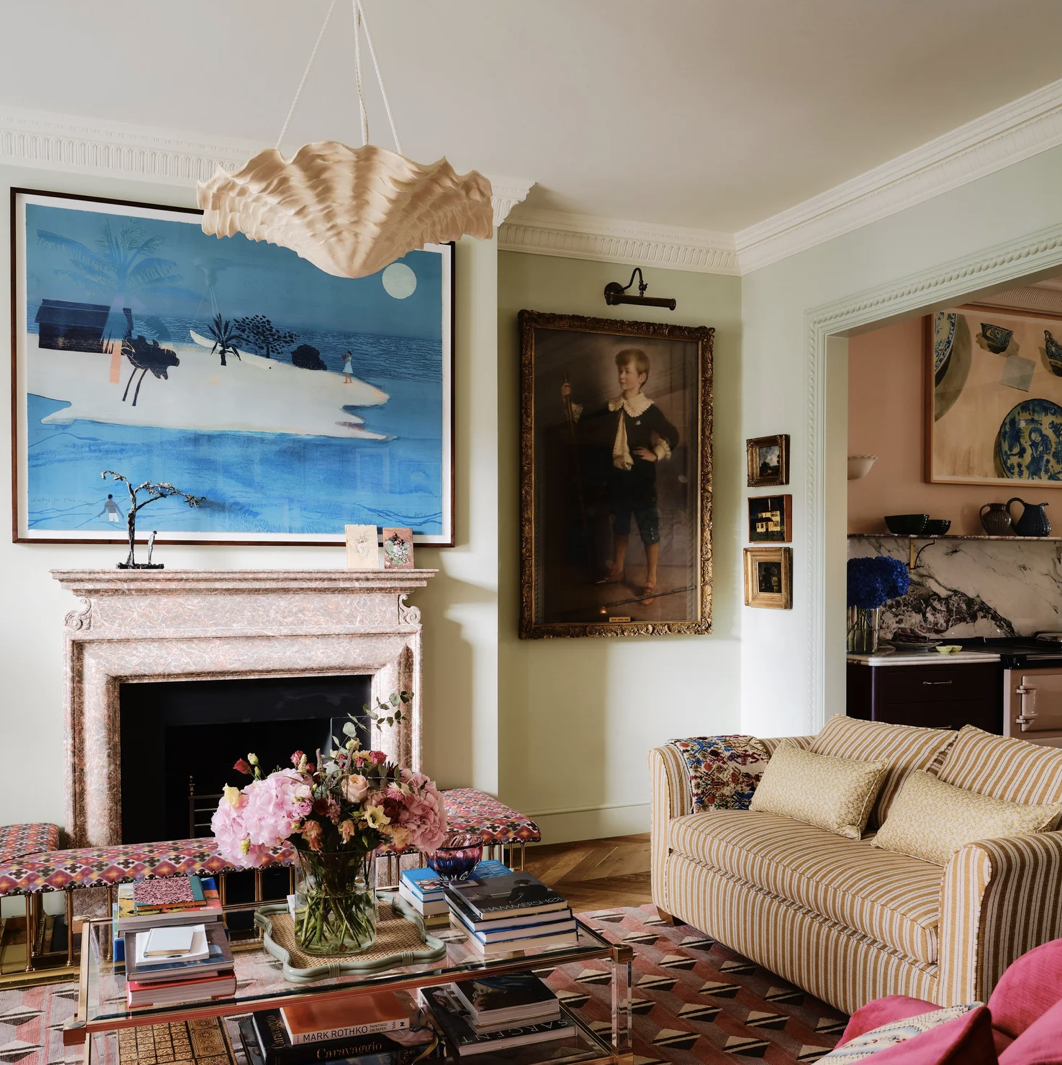
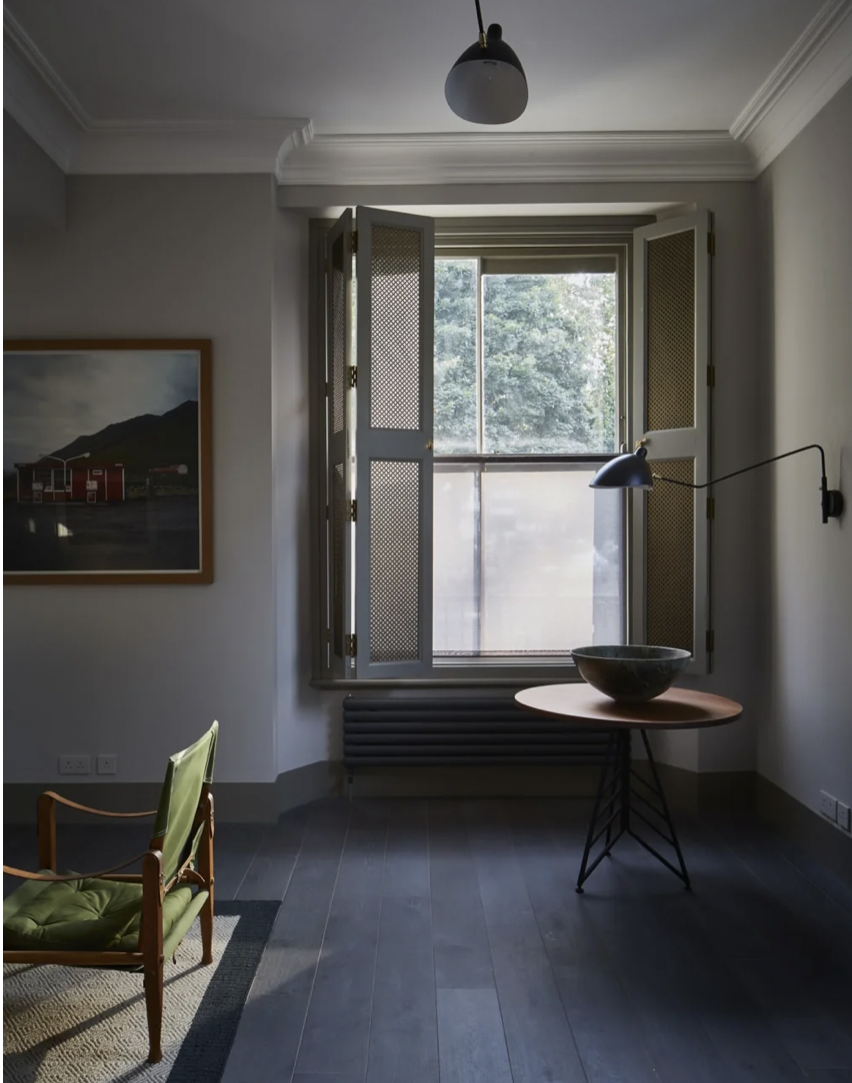
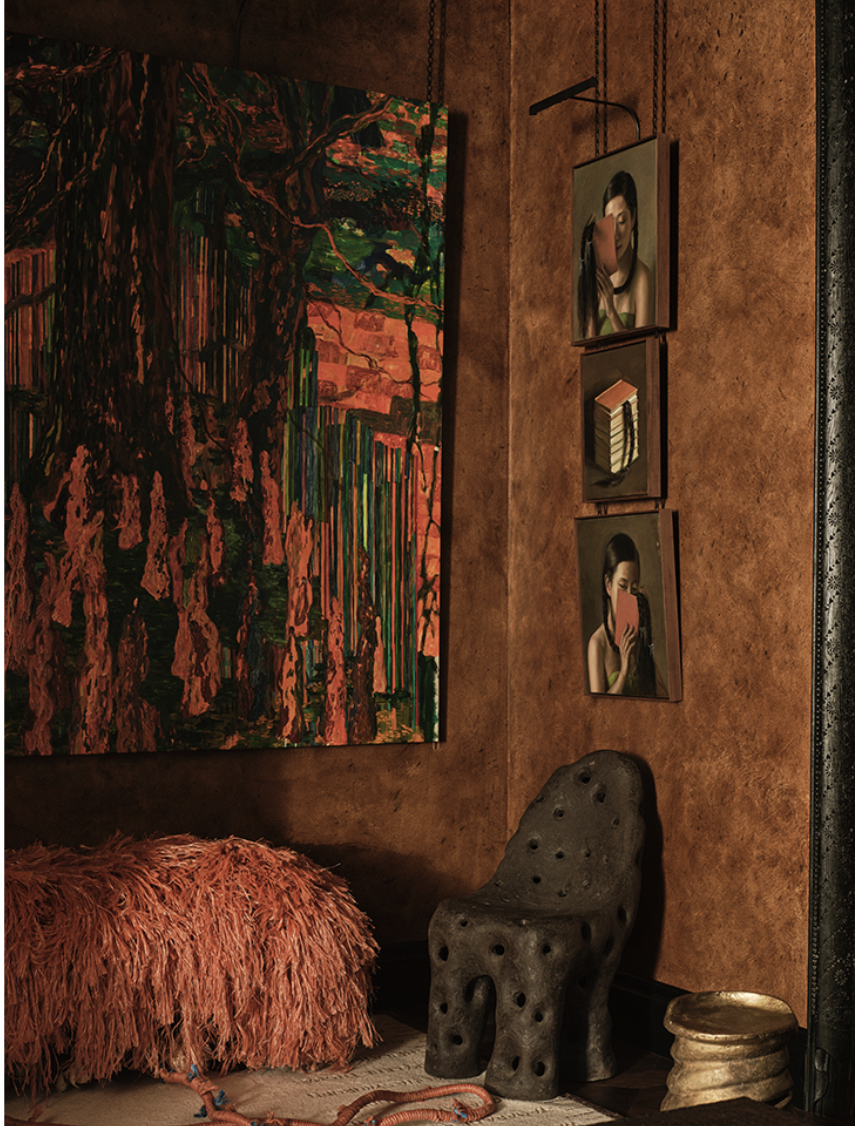
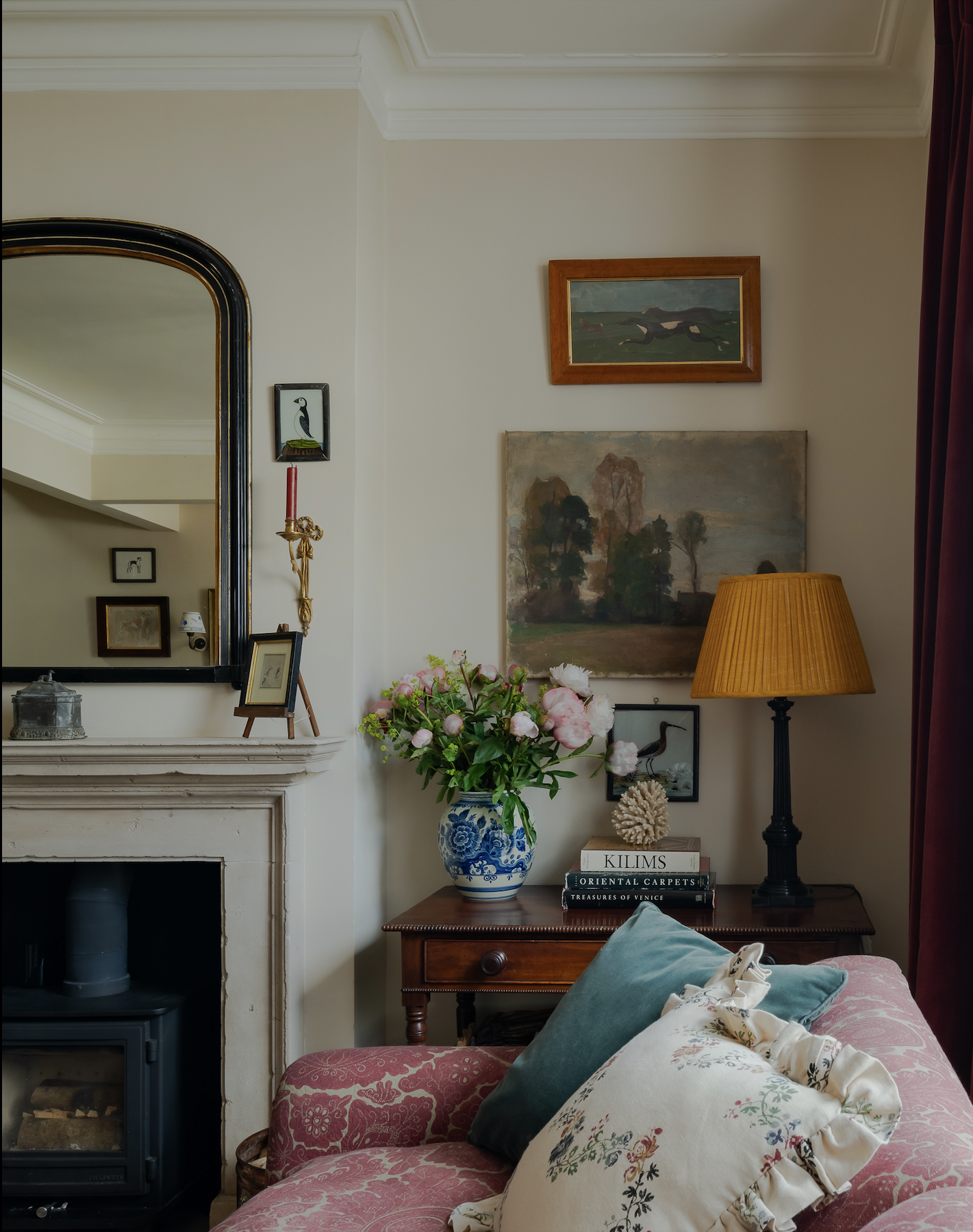
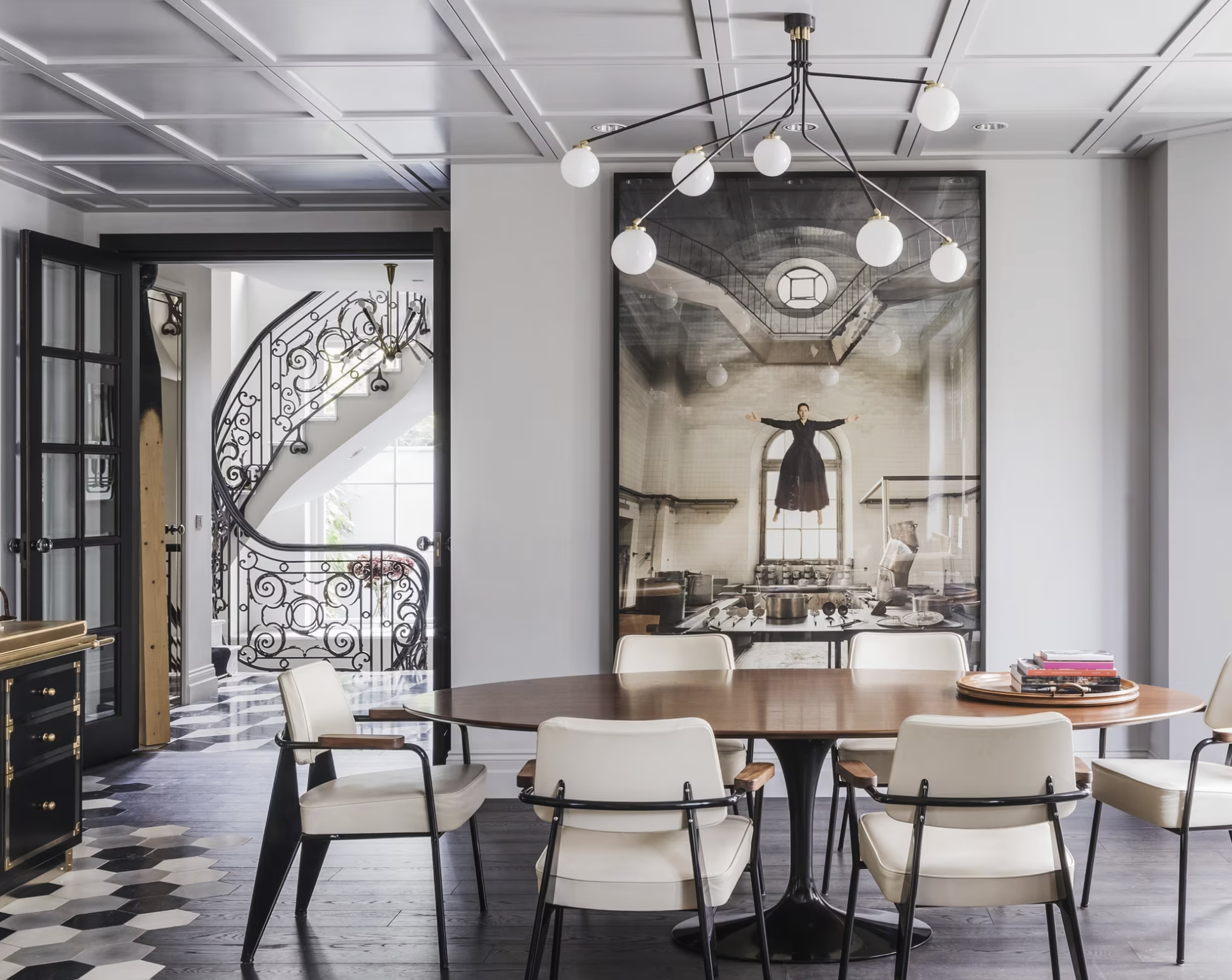
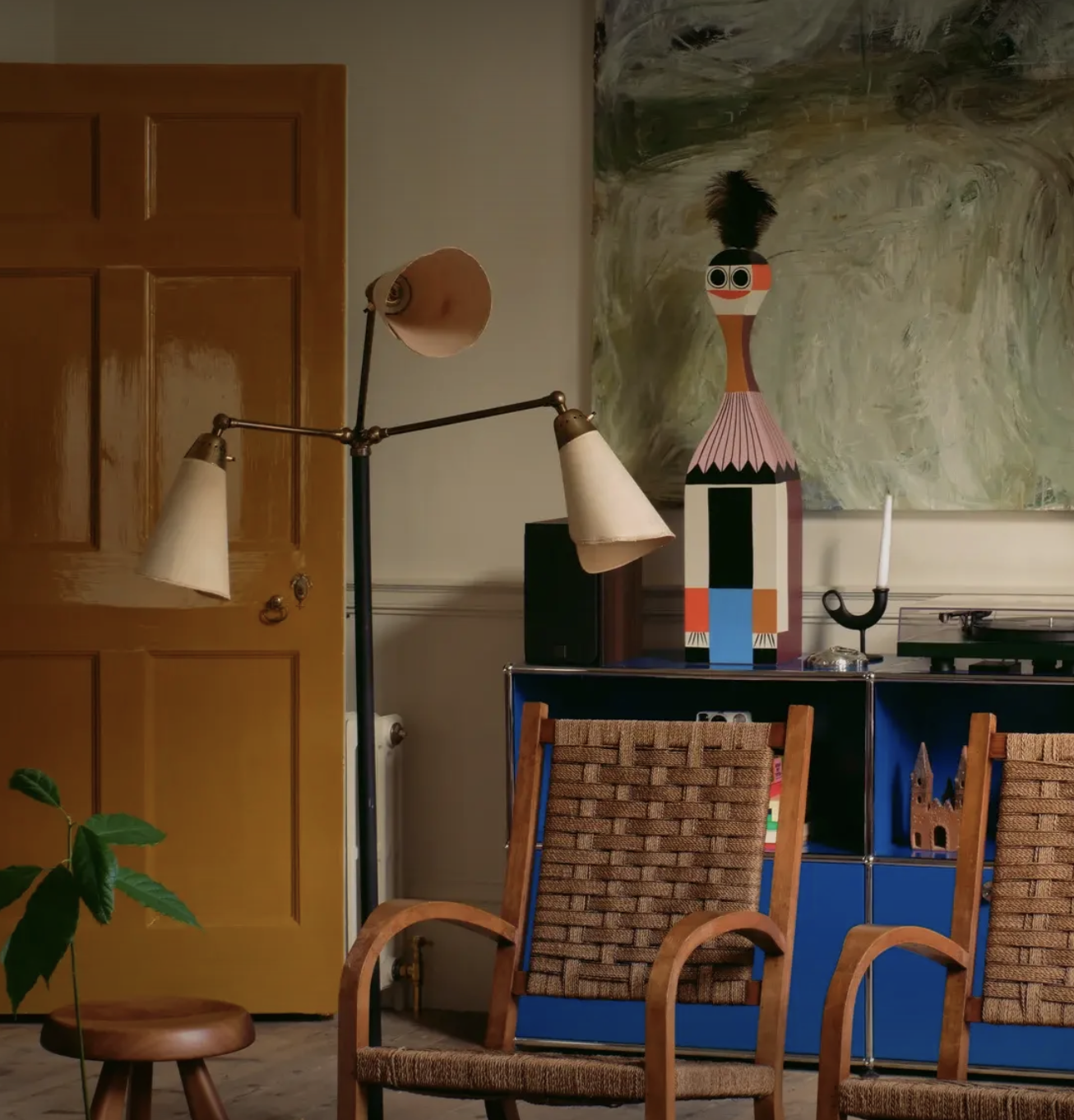
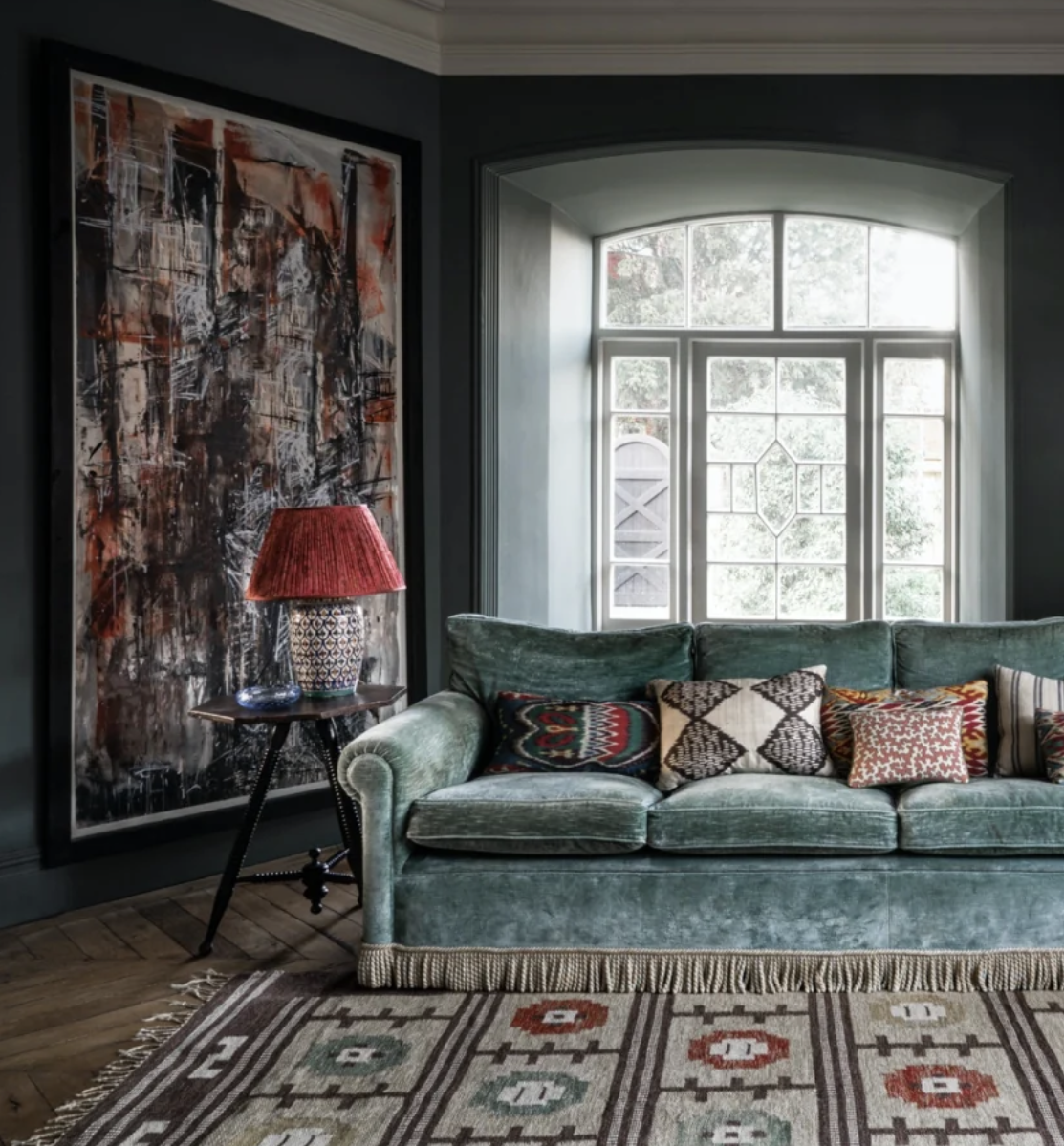
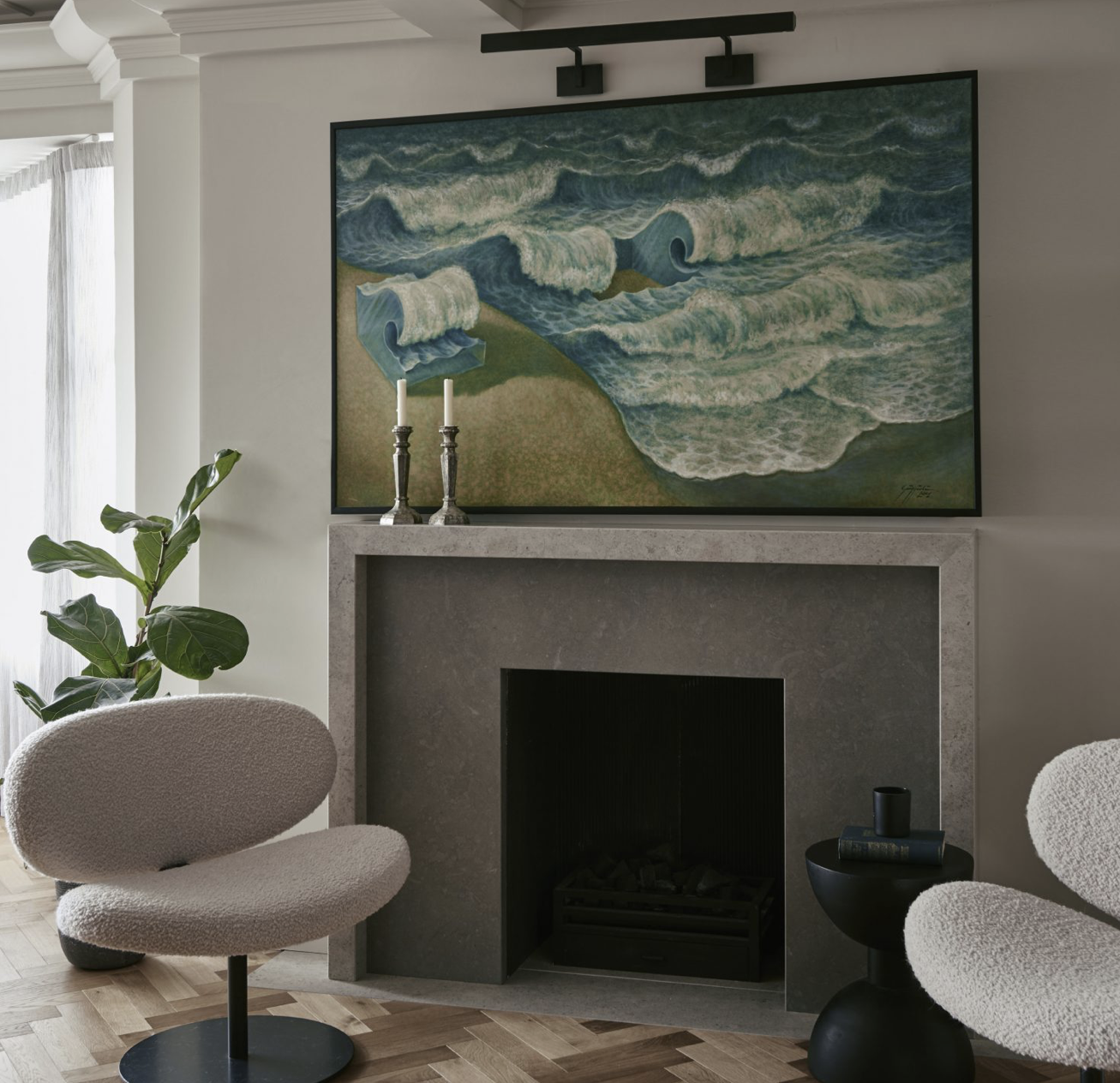
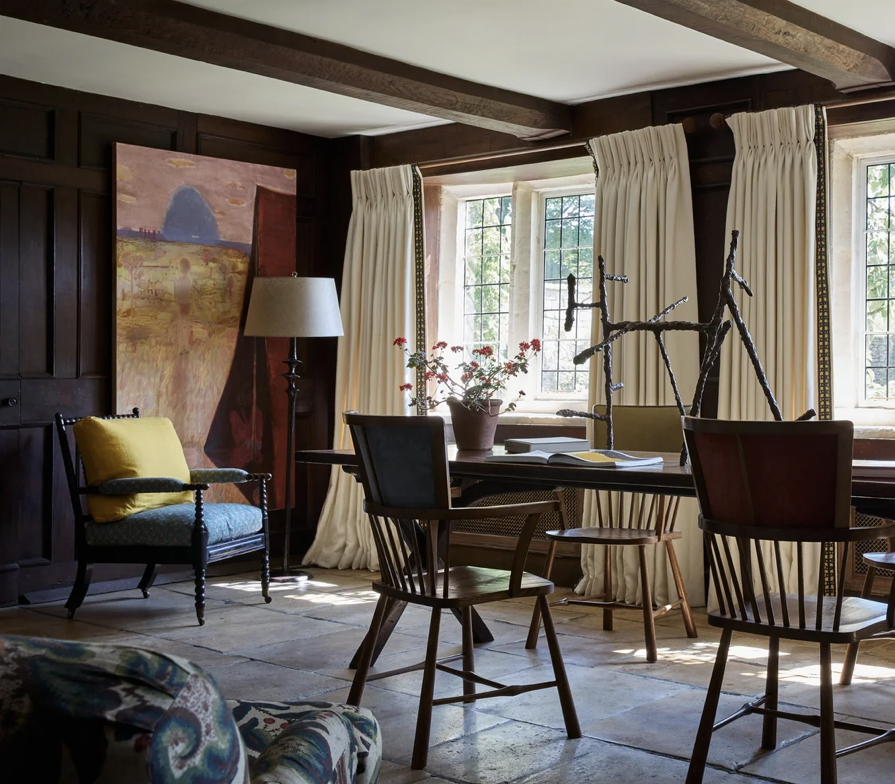
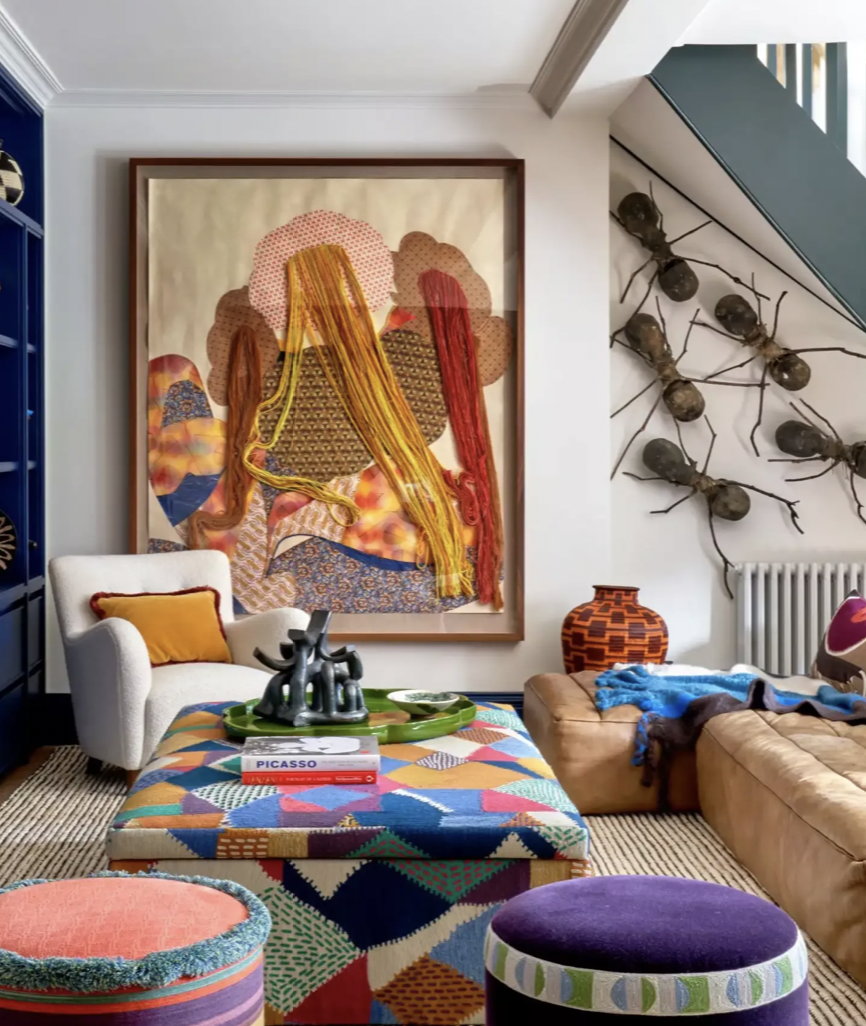
Art - whether a painting, sculpture, ceramic or even a rare piece of furniture - is inextricably linked with interior design. When Frieze and PAD London come around, this special relationship is thrown into even sharper focus.
In our experience at Carter Wells, some clients will bring a vast collection of pieces to a project, while others will need help with building one from scratch. It takes a certain artistic vision and confidence to translate either of these starting points into a home, which is why we want to shine a spotlight on designers who are especially attuned to the nature of collecting, restoring and displaying - an art quite rightly in itself.
Romanos Brihi, co-founder of Studio Vero, muses: “I don't think art has to be the starting point or the finishing touch. It just has to feel like it belongs to the person who lives there. I'd much rather someone bought something because they fell in love with it than because we had a gap above a sofa that needed filling.
J.James Mackie, formerly head of the Impressionist & Modern Art department at Sotheby’s, likes to keep the hierarchy between all the different elements of a room “quite flat. Art in any medium should always have the space to breathe and be appreciated, but it shouldn’t dominate to the point where it sucks the air out of the room,” he says. Tobias Vernon, the founder of 8 Holland Street, which functions as both a gallery and an interior design studio, notes how sourcing and displaying art is integral to his practice, “but traditionally, artworks follow on quite separately after the process of defining room layouts, design schemes, finishes and furniture sourcing.”
A client with an existing collection or a key piece of art can be a “treat,” says Deborah Bass of Base Interiors. “It can be a phenomenal foundation to hang the rest of the interior scheme on and provides a great insight into a client or family’s unique quirks and character.”
“It doesn’t need to be important or expensive; what matters is that you love looking at it. Over time, those layers help a home feel collected rather than decorated, personal, lived-in and as though it has evolved naturally over many years.”shares Charlotte Boundy.